DONATE
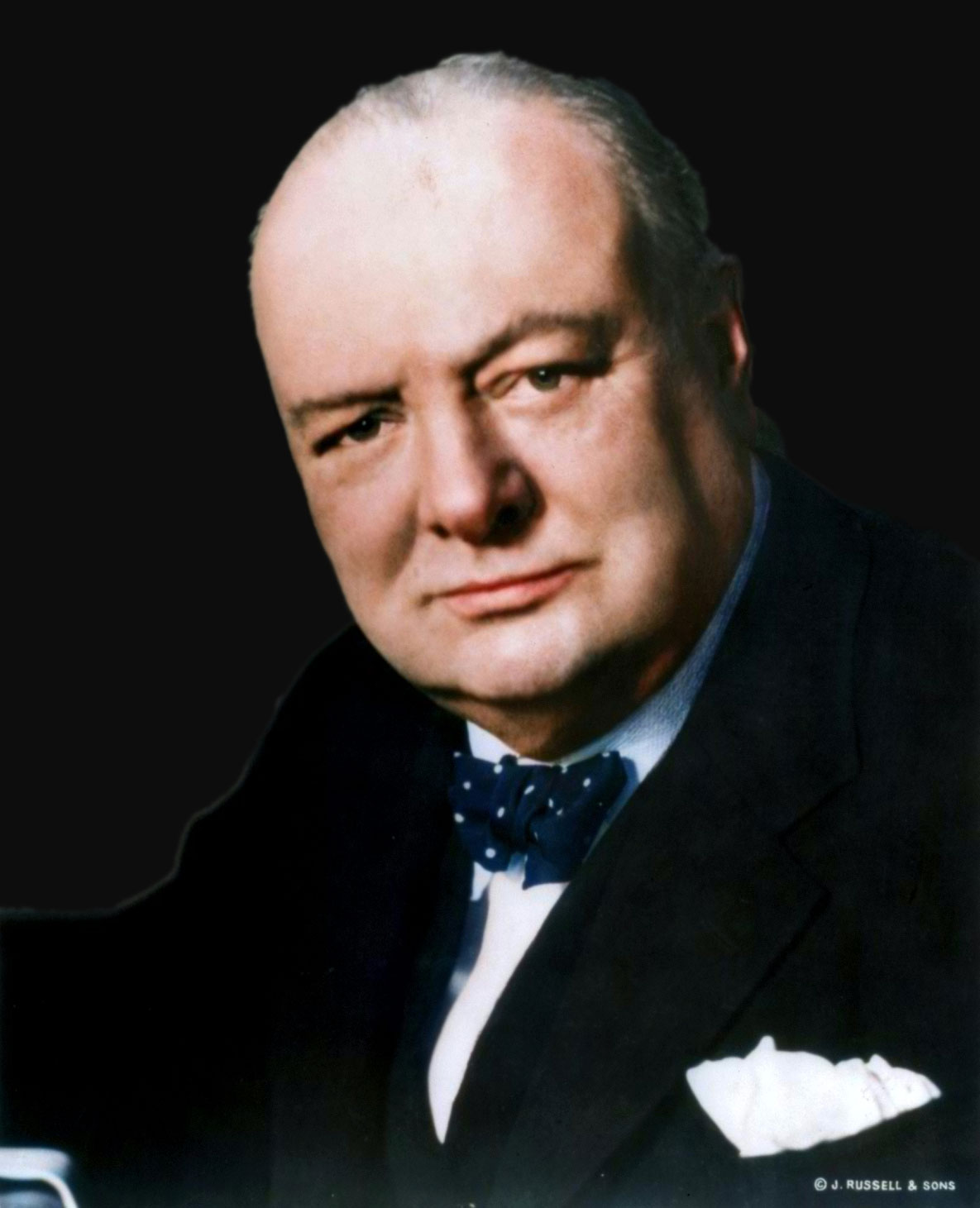
The International Churchill Society (ICS) depends entirely on the generosity of individuals like you to advance our mission of preserving and promoting the legacy of Sir Winston Churchill for future generations.

The International Churchill Society (ICS) depends entirely on the generosity of individuals like you to advance our mission of preserving and promoting the legacy of Sir Winston Churchill for future generations.
“What is the use of living if it be not to strive for noble causes and to make this muddled world a better place for those who will live in it after we are gone?”
—Winston Churchill
The International Churchill Society (ICS) depends entirely on the generosity of individuals like you to advance our mission of preserving and promoting the legacy of Sir Winston Churchill for future generations.
Your support fuels our educational programs, historical research, public events, and global outreach—ensuring that Sir Winston Churchill’s leadership, values, and example continue to inspire in today’s world.
Ways to Give
🕰️ One-Time or Recurring Gifts
Make a meaningful contribution today—or set up a recurring monthly or annual gift—to sustain our work year-round. Every donation, large or small, helps us keep Churchill’s legacy alive and relevant.
🎖️ Join as a Member
Explore our individual and corporate membership options, each offering a variety of benefits—from event access and exclusive content to recognition opportunities. Learn more about membership.
📜 Planned Giving & Legacy Gifts – Leave a Legacy of Leadership, Courage, and Education
Planned giving, also known as legacy giving, allows you to make a powerful, lasting impact by including ICS in your will, estate plan, or through gifts of stocks or retirement assets. Create a lasting legacy by including ICS in your estate plans or through gifts of appreciated stock or donor-advised funds.
Ways to Make a Legacy Gift:
Your Legacy Supports:
Resources for Advisors:
Legal Name: International Churchill Society
Tax ID: 32-0517967
🎓 Sponsor an Event or Program
ICS offers tailored sponsorship opportunities for individuals, foundations, and corporations looking to support our conferences, educational initiatives, and digital programming. We’d be glad to help align your charitable goals with our mission. Contact us at: [email protected]
Donate Now
Use the secure donation form below to make a tax-deductible gift to the International Churchill Society.
Connect with us today:
The International Churchill Society
2020 Pennsylvania Ave NW
Box 314
Washington, DC 20006
Tel: +1-202-929-0309
[email protected]
“The empires of the future are the empires of the mind.”
—Winston Churchill
*As with all planned gifts, please consult your legal or financial advisor.*
Thank you for helping us carry The Rt. Hon. Winston Churchill’s legacy forward!
Join the International Churchill Society today! Membership starts at just $29/year.